
Exploring the psychology behind gambling behavior in casinos
The Allure of Gambling: Understanding Human Motivation
The act of gambling in casinos is often driven by complex psychological factors. The thrill of potential reward, coupled with the excitement of uncertainty, draws many individuals to gaming tables and slot machines. This motivation is often rooted in the desire for instant gratification, where the prospect of winning large sums of money can evoke intense emotions and a rush of adrenaline. Furthermore, if you are looking to engage in sports betting in california, understanding this allure is critical for recognizing the underlying psychology that fuels gambling behavior.
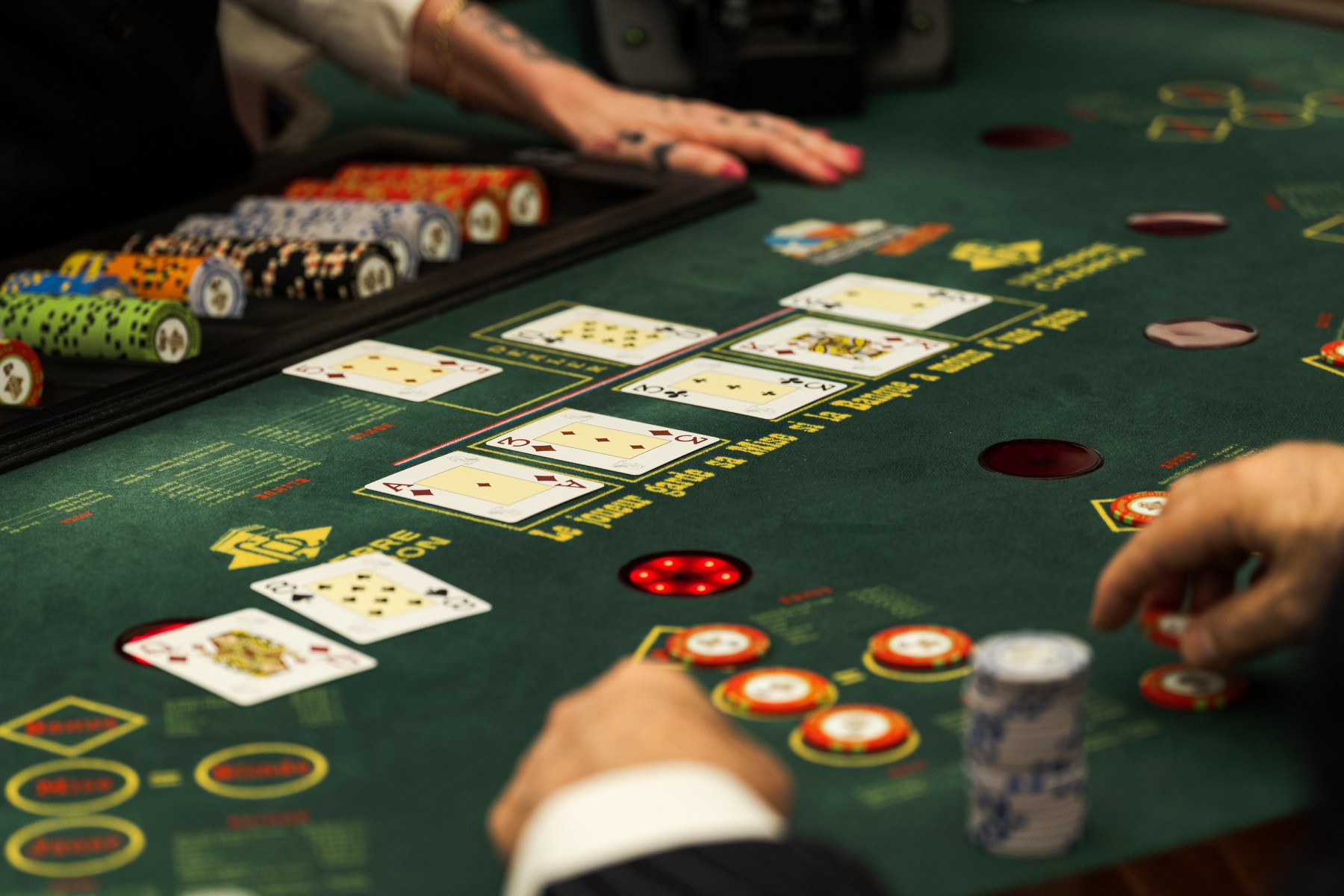
Moreover, social factors play a significant role in gambling motivations. Many people are attracted to the vibrant atmosphere of casinos, where the hustle and bustle create a sense of community and shared experience. Socializing with friends or meeting new people can amplify the enjoyment of gambling, leading to longer playing sessions and potentially riskier behavior. This social reinforcement is a significant psychological component that can enhance the appeal of gambling.
The Role of Cognitive Biases in Gambling
Cognitive biases significantly influence gamblers’ perceptions and decisions. One of the most common biases is the illusion of control, where individuals mistakenly believe they can influence the outcome of a game of chance. For instance, a player might think that their strategy or skill can affect the results of a slot machine, even though these games operate purely on luck. This illusion can lead to overconfidence and increased gambling frequency.
Another relevant cognitive distortion is the gambler’s fallacy, which is the belief that past events influence future outcomes in random games. Gamblers may think that a losing streak will be followed by a win, leading them to continue gambling in the hope of recouping losses. These biases reveal how our brains can misinterpret probabilities, often resulting in irrational gambling behaviors.
The Emotional Experience of Gambling
The emotional landscape of gambling is intricate and multifaceted. Many gamblers experience a mix of excitement, anxiety, and hope as they engage in various games. This emotional experience can exacerbate gambling behavior, as the highs of winning can create a powerful desire to chase further thrills. Conversely, the lows associated with losses can lead to feelings of frustration and desperation, compelling individuals to gamble even more in an attempt to recover lost funds.
Psychologically, the cyclical nature of winning and losing can create an addictive pattern, where the transient highs overshadow the potential consequences of continuous play. Additionally, the emotional highs are often tied to the social dynamics of gambling environments, further complicating the emotional context in which gambling occurs. Understanding these emotional components is vital for addressing problem gambling and promoting healthier behaviors.
The Impact of Casino Design on Gambling Behavior
Casinos are meticulously designed to enhance the gambling experience and encourage players to spend more time and money. The layout, lighting, and soundscapes aim to create an immersive environment that stimulates excitement and minimizes distractions. For instance, the absence of windows and clocks can distort a gambler’s sense of time, leading to longer gaming sessions than intended.
Moreover, the strategic placement of machines and tables relies heavily on psychological principles. High-energy games are often placed near entrances to attract newcomers, while quieter areas may host more relaxed games for established players. This deliberate design influences behavior by manipulating mood and atmosphere, emphasizing the psychological tactics employed to enhance gambling experiences and increase profits for casinos.

Understanding Gambling Behavior Through Research
Research into gambling behavior provides valuable insights into the psychological mechanisms at play. Studies investigate various aspects of gambling, including the demographics of gamblers, the types of games they prefer, and the psychological traits that correlate with gambling behavior. This research contributes to developing effective interventions and support systems for individuals struggling with gambling addiction.
Furthermore, ongoing research helps inform casino policies and practices, promoting responsible gambling initiatives. By understanding the psychology behind gambling behavior, industry stakeholders can create environments that foster safe play and reduce the likelihood of problematic gambling. This commitment to research and understanding positions casinos not only as entertainment venues but also as responsible contributors to public health and well-being.